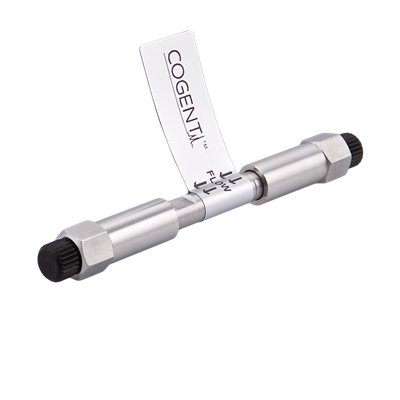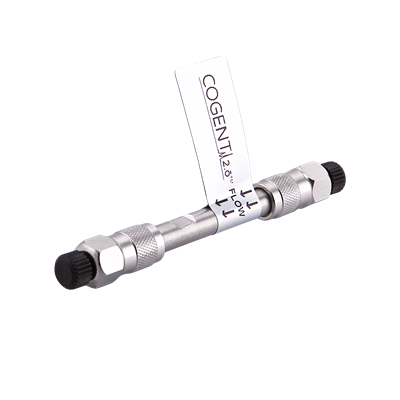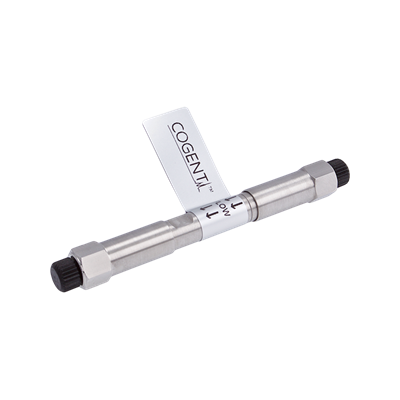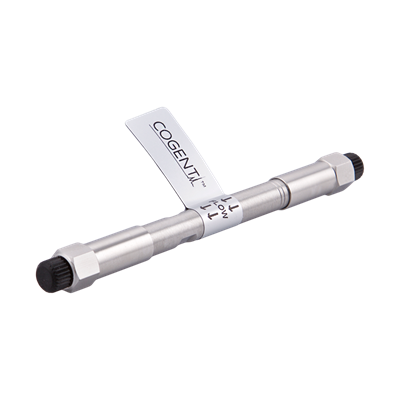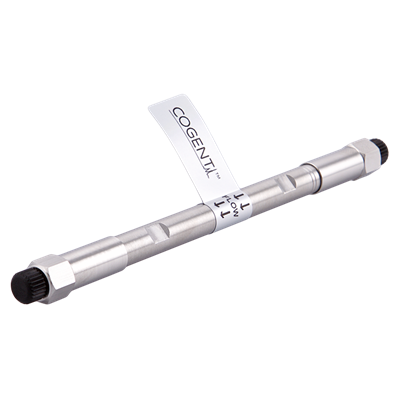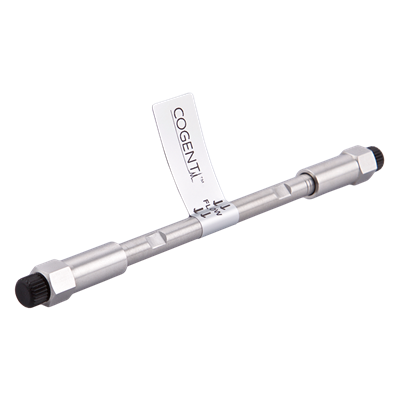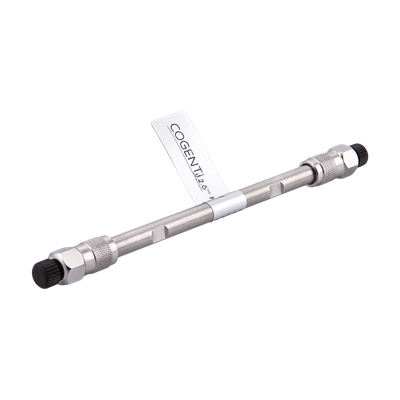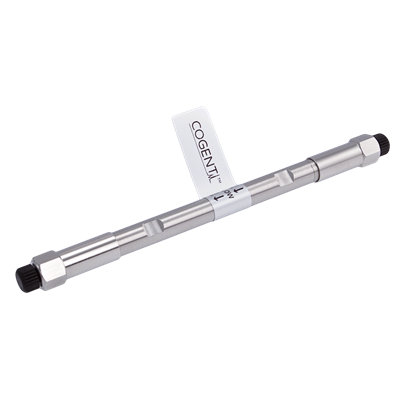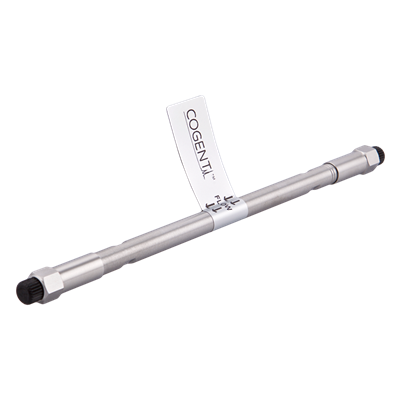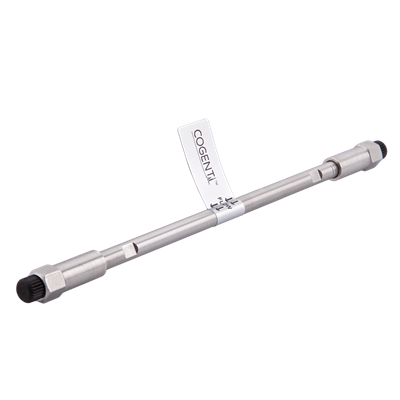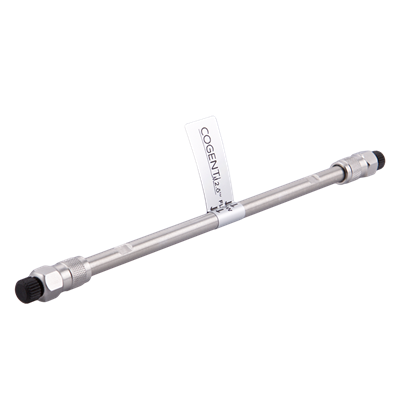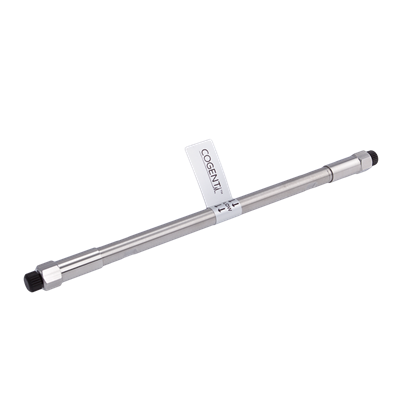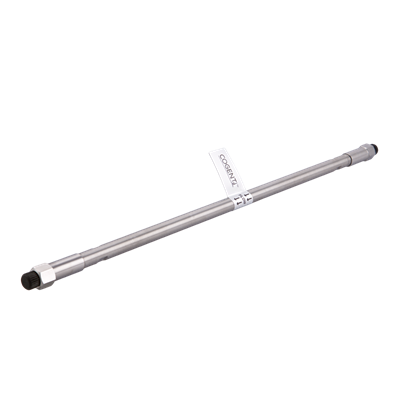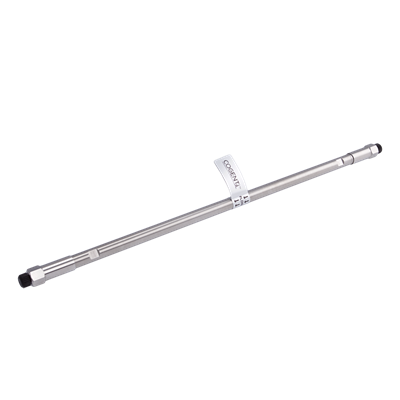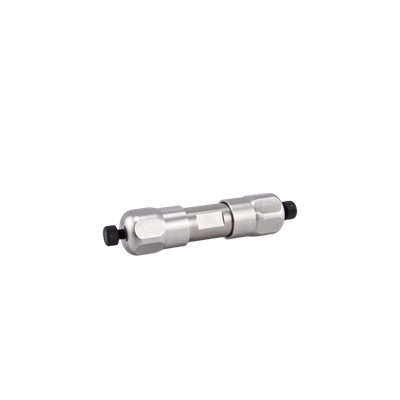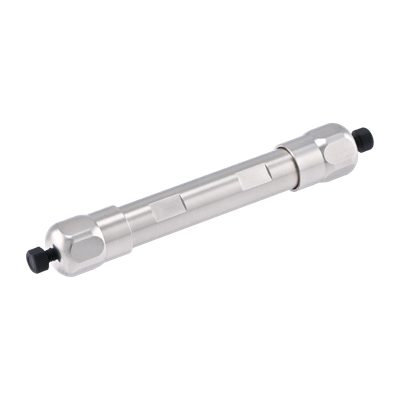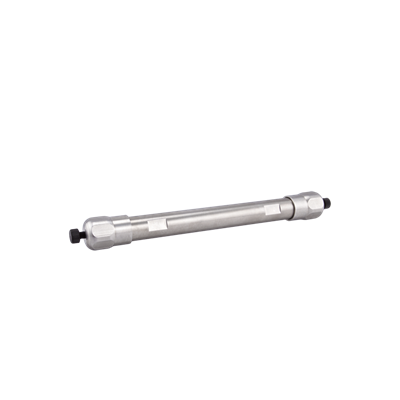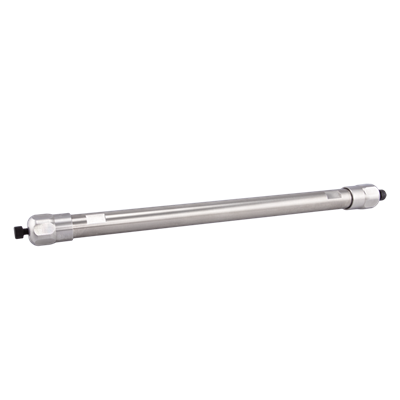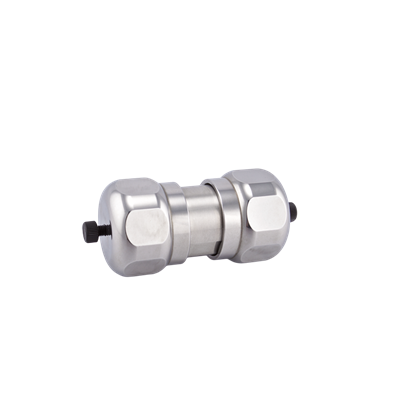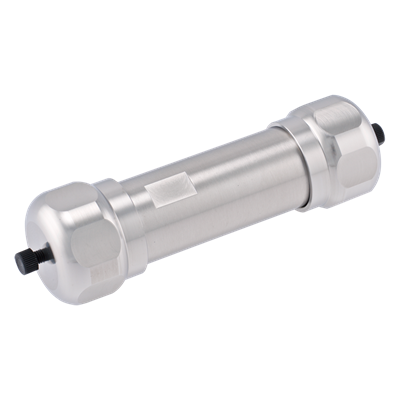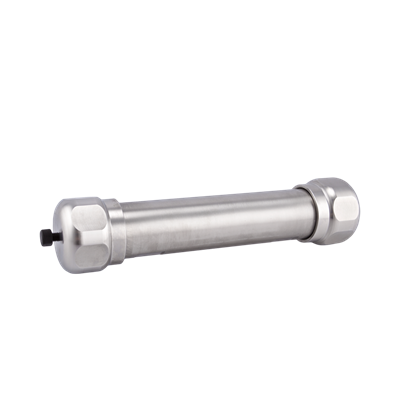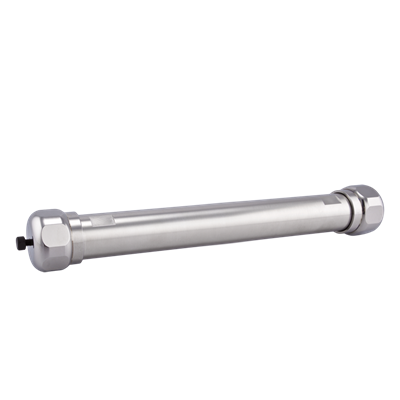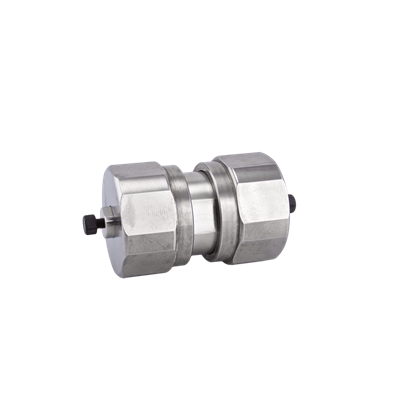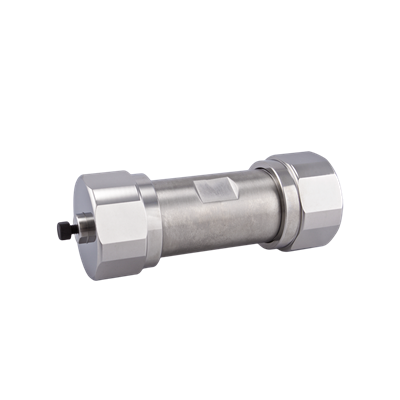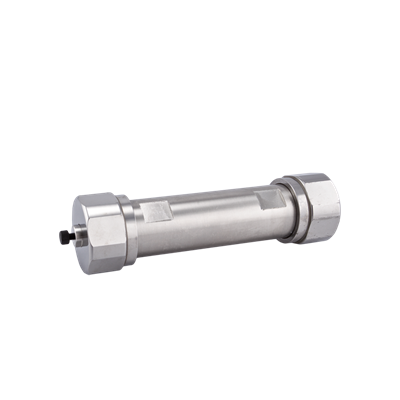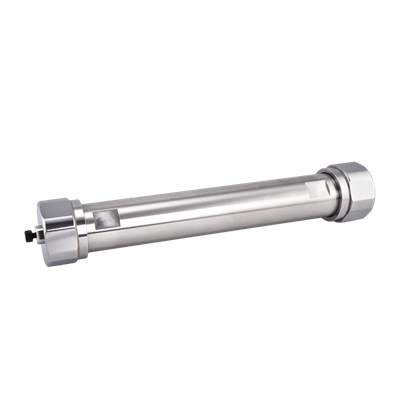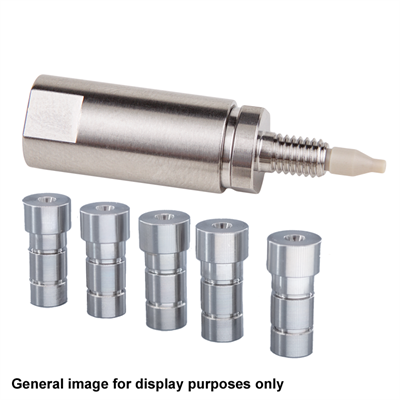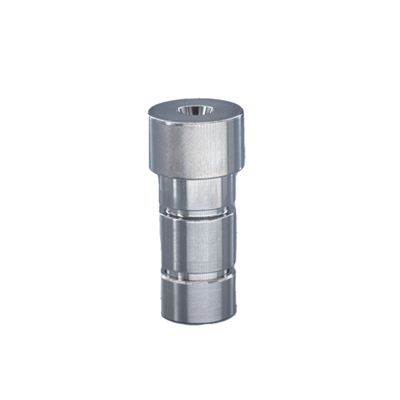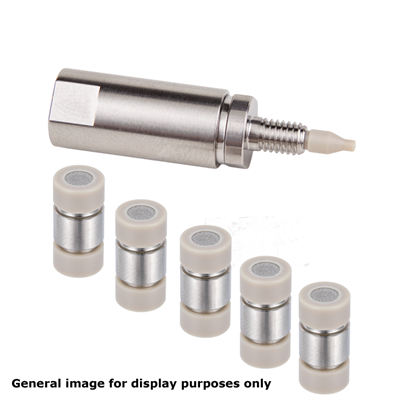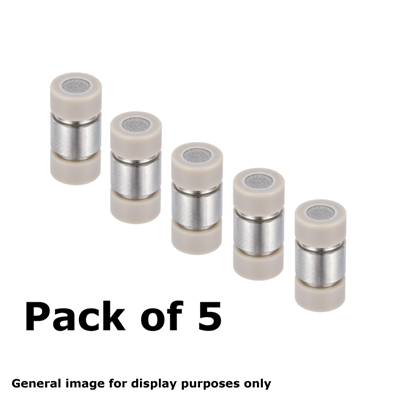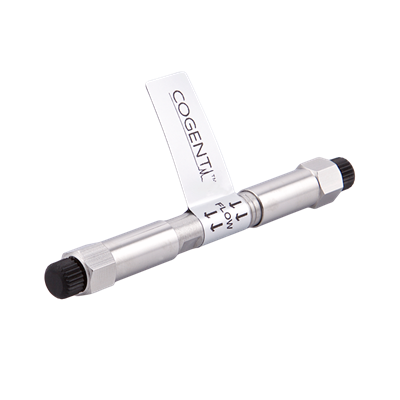
HPLC Column, Bidentate C18, 4um, 4.6mm ID x 50mm Length, 100A. Cogent TYPE-C Brand. 1 EA.
Learn more about Cogent TYPE-C™ HPLC Stationary Phases.
Technical Notes on Methods with Bidentate C18 HPLC Columns.
Our goal is to provide the best Customer Experience possible. If you cannot find what you are looking for, have any questions or would like to give us a suggestion please use any of the following ways to contact us directly. We would love to hear from you.
Call us: 9:00 AM - 5:30 PM EST 1-732-380-8900 and hit 0#
Fax to us: 1-910-769-9435
Email Send us a note using our online support form.
We are always ready to lend any support we can. Our experienced scientists and professionals are ready to assist you with any technical support questions. Every question is considered a good question and we will work with you on a solution as fast as possible.
Call us: 9:00AM - 5:30 PM EST 1-732-380-8900 and hit 0#
Fax to us: 1-910-769-9435
Email Send us a note using our online support form.
Extremely Stable, Highly Hydrophobic C18 for Demanding HPLC Conditions
TYPE‑C™ Silica Hydride | 100% Aqueous or Non‑Polar Solvents | RP, NP & HILIC
Bidentate C18™ HPLC columns are among MICROSOLV’s most durable and uniquely engineered reversed‑phase columns, designed to operate under conditions that quickly degrade conventional C18 phases. Built on TYPE‑C™ silica hydride technology, this stationary phase delivers exceptional chemical stability, extreme hydrophobicity, and unmatched solvent flexibility.
Bidentate C18™ columns are especially well suited for harsh pH conditions, paired‑ion chromatography (PIC), 100% aqueous mobile phases, and non‑polar solvent systems, making them a powerful problem‑solving tool for difficult separations.
Proprietary Bidentate C18 Chemistry on TYPE‑C™ Silica
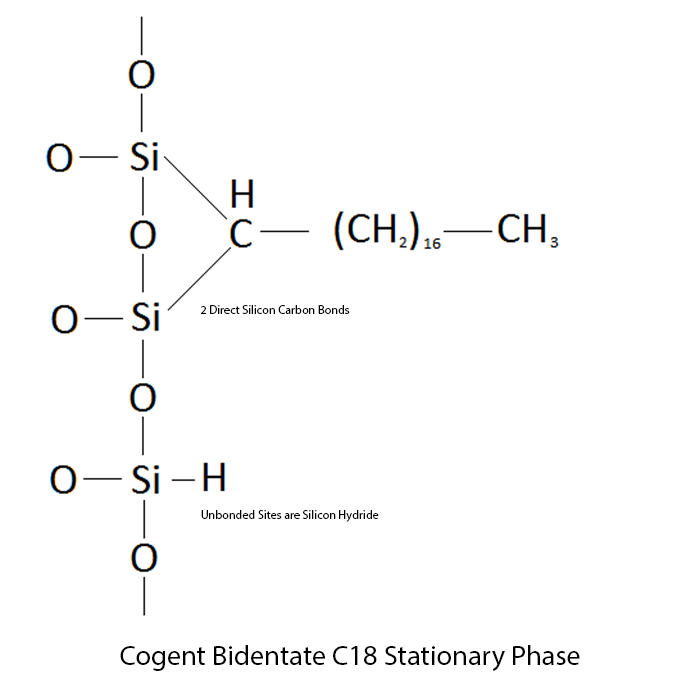
Bidentate C18™ columns are manufactured using state‑of‑the‑art high‑purity silica (available in 4 µm or 2.2 µm) with a straight‑chain C18 hydrocarbon ligand. What makes this phase exceptional is its bidentate bonding:
The C18 ligand is bonded through two separate silicon–carbon (Si–C) attachment points
The ligand is attached directly to a silica hydride surface
No traditional silanol‑based bonding chemistry is involved
This dual attachment dramatically increases mechanical and chemical stability, resulting in an extraordinarily long column lifetime, even under aggressive mobile‑phase conditions.
Extreme Stability Under Harsh Conditions
Because of the direct Si–C bidentate bonding and TYPE‑C™ silica hydride base, Bidentate C18™ columns are:
Highly resistant to hydrolysis
Stable at very low pH
Compatible with paired‑ion (PIC) reagents
Unaffected by conditions that strip conventional C18 phases
The phase is non‑end capped, yet remains extremely stable—eliminating concerns about end‑cap bleed or degradation.
Exceptional Hydrophobic Retention with Less Water
Bidentate C18™ is an extremely hydrophobic phase, yet it requires less water to retain hydrophobic compounds than traditional C18 columns. This property provides several practical advantages:
Easier gradient method development
Improved retention control
Simplified mobile‑phase design
Better reproducibility in difficult methods
These characteristics make the column particularly attractive for gradient RP‑HPLC and complex method optimization.
Multi‑Mode Operation: RP, NP, and HILIC
One of the most distinctive features of Bidentate C18™ is its ability to function in multiple chromatographic modes:
Reversed‑Phase (RP)
Performs as an exceptionally stable and highly hydrophobic C18 phase, even under extreme pH or solvent conditions.
HILIC
Like all TYPE‑C™ columns, Bidentate C18™ does not form a water shell, enabling retention mechanisms unavailable to conventional silica‑based C18 columns.
Normal Phase (NP)
When operated in non‑polar solvents, Bidentate C18™ exhibits an unusual NP separation mode, allowing separation of water‑labile compounds without degradation—something that often occurs on traditional silica columns.
Ideal for Water‑Labile and Challenging Compounds
Because the TYPE‑C™ surface does not adsorb water, Bidentate C18™ columns are uniquely suited for:
Water‑sensitive analytes
Compounds unstable on silica
Separations requiring non‑polar solvents
Harsh chemical environments
This makes the column a strong choice for problem compounds that cannot be handled by ordinary reversed‑phase columns.
Key Features and Benefits
TYPE‑C™ silica hydride stationary phase
Bidentate C18 ligand with two Si–C bonds
Extremely stable and long‑lasting column chemistry
Operates in RP, NP, and HILIC modes
Compatible with 100% aqueous or non‑polar solvents
Stable at very low pH
Excellent for paired‑ion chromatography (PIC)
No end‑capping and no end‑cap bleed
Unique selectivity not achievable with conventional C18 columns
Typical Applications
Harsh pH reversed‑phase methods
Paired‑ion chromatography (PIC)
Water‑labile compounds
Highly hydrophobic analytes
Difficult separations unresolved by standard C18
Method development under extreme conditions
Analytical and advanced research HPLC
Additional Resources
Column Protection Recommendation
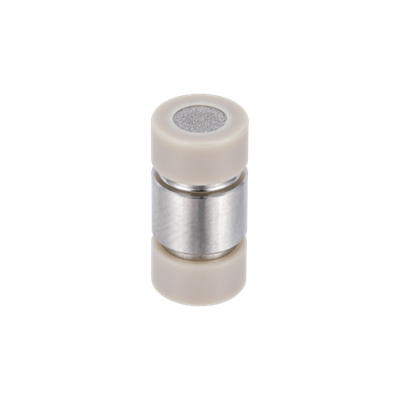
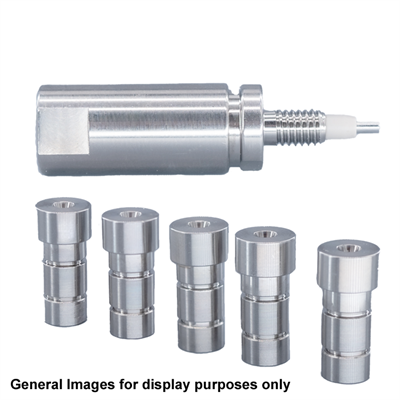
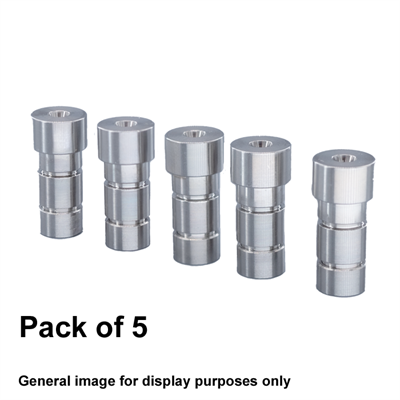
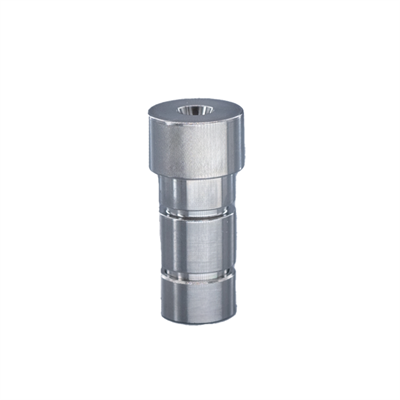
Important: MICROSOLV technical support strongly recommends using the Cogent Column Filter, which is included with each column, whenever possible. Column filters help protect against particulates, extend column lifetime, and maintain consistent chromatographic performance.
👉 Learn more about the Cogent Column Filter for HPLC column protection
© Copyright 2026. MICROSOLV. All Rights Reserved. Website & Hosting by BlueTone Media